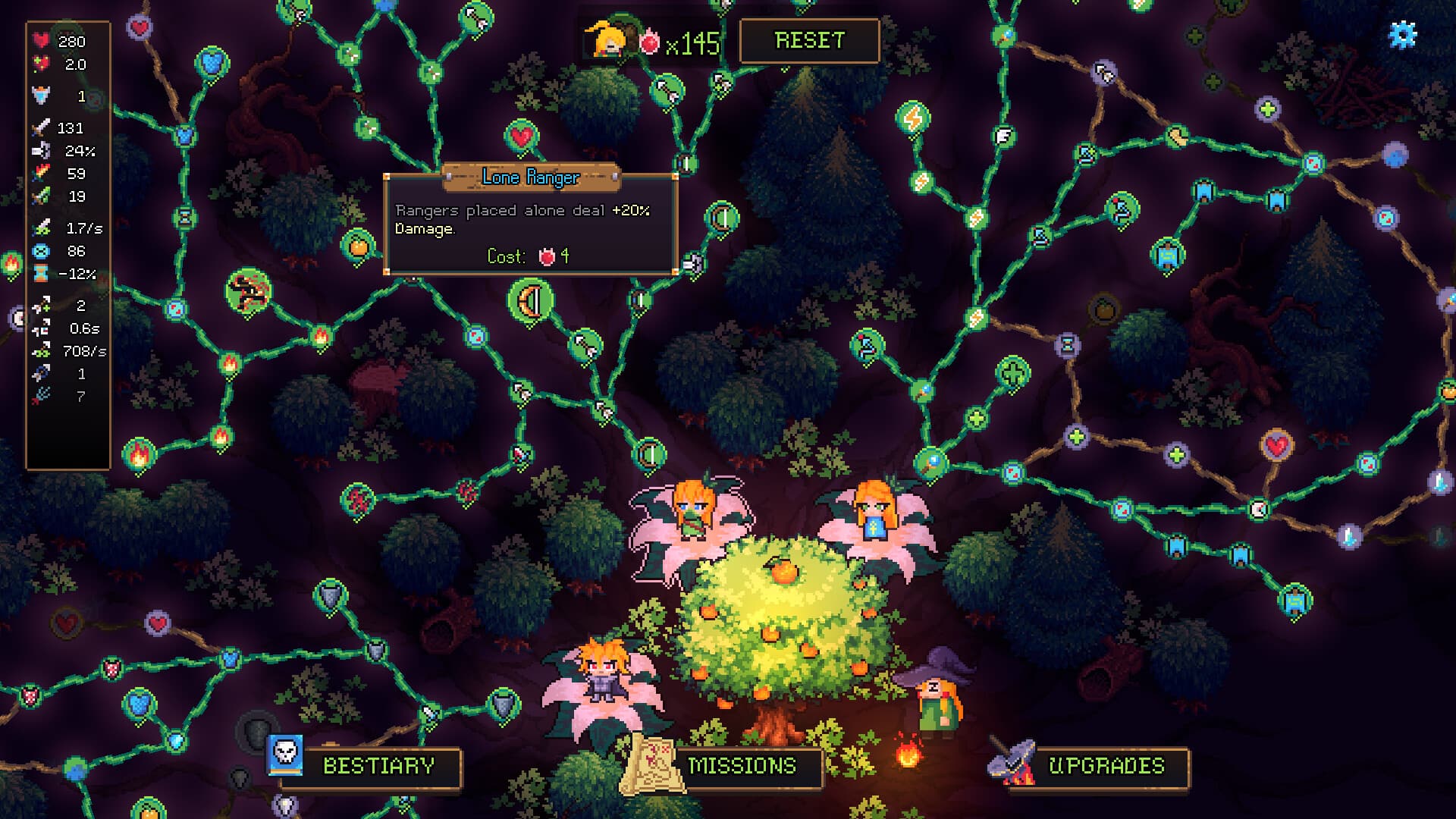
 Official Tangy TD Screenshot
Archer Tower Quick Guide
Tower guide for Archer role strengths, upgrade checkpoints, and easy pairing ideas.
This Tangy TD guide focuses on practical execution and keeps the core keyword intent clear for each tower topic.
Updated 2026-03-20
Tangy TD Guide Notes
Archer Role and Win Condition
Archer is a consistency tower first and a scaling tower second. Its main value is reliable lane contribution over long wave sequences. If your map offers clean sightlines, Archer can carry midgame stability while other parts of your setup handle tanking and utility.
Upgrade Checkpoints That Matter
The most important Archer decision is upgrade pacing. Even distribution across many small upgrades feels safe but usually delays real breakpoints. Prioritize the upgrades that change practical wave outcomes, such as faster cleanup speed, better elite handling, or improved multi-target pressure.
Placement Rules for Better Coverage
Placement discipline is critical. Archer underperforms when line-of-fire is interrupted or when coverage overlaps poorly with control zones. Aim for positions that maximize active firing time, not just theoretical range circles. Small placement improvements can outperform expensive stat upgrades.
Support Pairings and Uptime
Archer pairs especially well with sustain and control tools that preserve uptime. If your support network keeps pressure off the firing line, Archer converts that stability into continuous damage. Without protection, Archer value collapses during chaotic waves because effective uptime drops sharply.
How to Handle Elite Pressure
Against elite-heavy patterns, do not immediately assume you need more Archer copies. First check target priority behavior and lane routing. In many cases, better focus control and slightly earlier utility usage produce bigger gains than another pure damage investment.
Scaling Archer in Late Runs
In low-resource runs, Archer can serve as a dependable backbone while you delay expensive specialization. This is one reason it is common in beginner-friendly setups. It lets you stay functional while scouting wave behavior and saving resources for high-leverage purchases.
Low-Budget Archer Plan
In high-resource runs, Archer transitions into a strong secondary engine rather than a solo carry. Let it handle broad wave pressure while a specialized component handles burst windows and boss checks. This division of labor prevents overcommitment and keeps your build resilient.
Late Game Archer Role Split
If you treat Archer as part of a system instead of a standalone damage stat block, it becomes one of the most efficient tools in your roster. The tower is strongest when placement, upgrade timing, and support roles are aligned to keep damage flowing without interruption.
Tangy TD Guide Examples