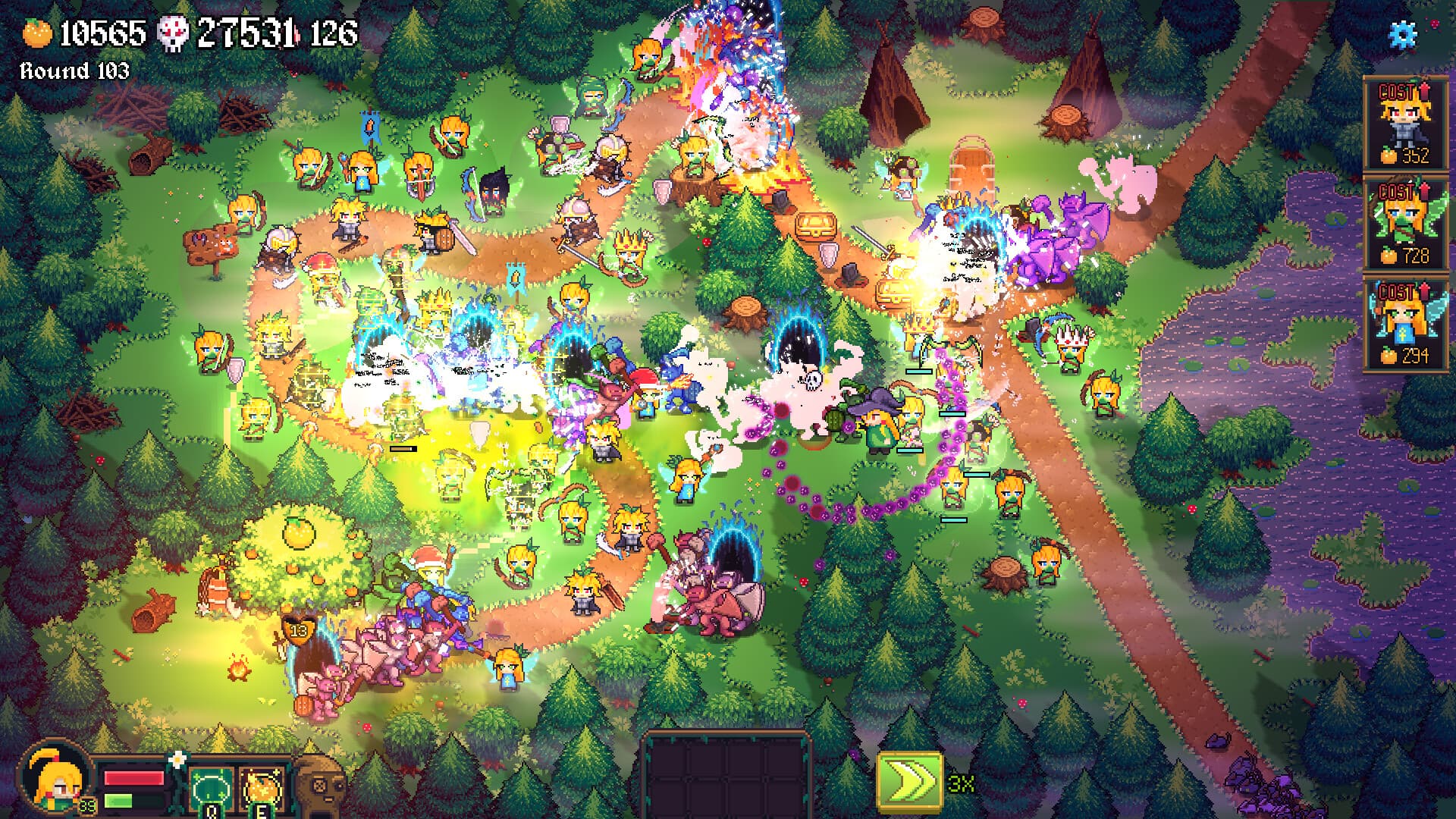
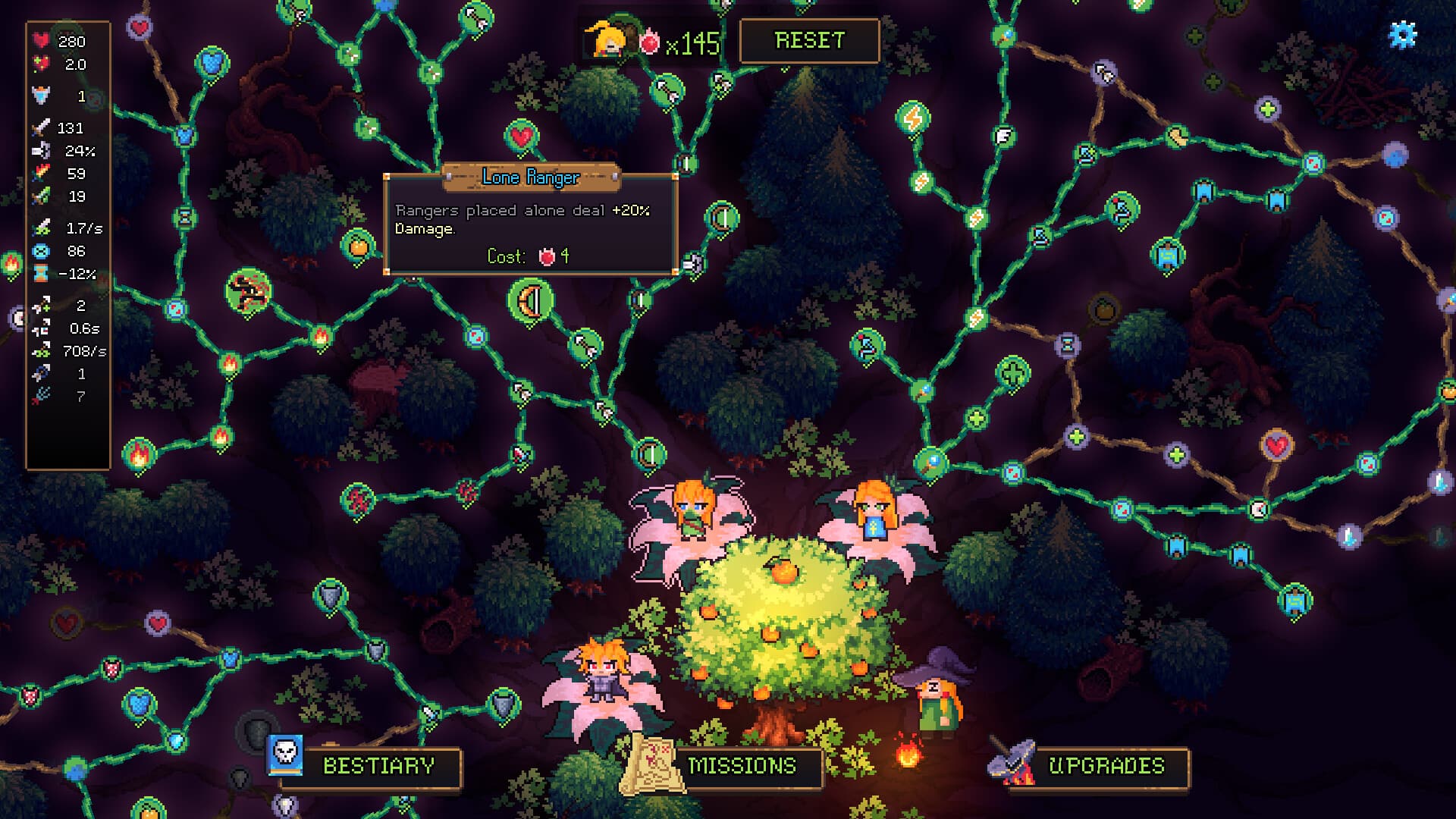
 Official Tangy TD Screenshot
Bay Harbour Butcher Map Guide
Map guide for wave timing, lane pressure control, and recovery options when runs collapse.
This Tangy TD guide focuses on practical execution and keeps the core keyword intent clear for each map topic.
Updated 2026-03-20
Tangy TD Guide Notes
Map Identity and Main Failure Pattern
Bay Harbour Butcher punishes overconfidence in single-lane optimization. The map tempts players to overinvest where early waves look dense, but the real danger appears when pressure rotates and your secondary lanes have no breathing room. Your win condition is balanced control, not perfect efficiency in one path.
Early Routing and Coverage Overlap
Early phase routing should prioritize coverage overlap. Place towers so they contribute to more than one lane segment whenever possible. If your first placement decisions force hard commits to isolated lanes, you lose flexibility and pay a heavy tax during wave transitions.
Mid-Wave Economy Control
Mid-wave micro decisions determine whether this map feels easy or impossible. Save a portion of resources for adaptive actions, especially before known pressure spikes. Spending all available gold right before a transition is the most common mistake. Hold enough budget to patch leaks without dismantling your core structure.
Elite and Boss Timing Windows
Elite waves should be treated as tempo checks, not pure DPS races. If elites are slipping through, evaluate control uptime and target priority before buying more raw damage. Many failed defenses come from poor focus discipline, where towers spread output inefficiently instead of deleting immediate threats.
Recovery Sequence for Collapsing Runs
Boss entry is the map’s most important timing moment. Prepare for it one wave earlier than you think you need. Keep mobility options and utility effects available so you can stabilize the board while setting up burst windows. Entering boss phase while your lanes are already unstable creates a chain reaction you usually cannot recover from.
Low-Investment Route Discipline
If the run starts collapsing, recover in this order: first stop lane bleeding, then restore control rhythm, then rebuild damage efficiency. Players often reverse this sequence by greed-buying offense while lanes are still leaking. That usually accelerates failure because it solves the wrong problem at the wrong time.
Positioning Rules That Save Gold
For lower-investment setups, simplify your game plan to one reliable kill corridor plus one support corridor. Do not chase perfect clears. The objective is survival through transition waves and controlled boss handling. A modest but coherent setup can outperform a higher-stat layout with poor control structure.
Wave Transition Checklist
Bay Harbour Butcher rewards disciplined pacing. Think in windows: setup window, pressure window, stabilization window, and execution window. If you align purchases and ability usage with those windows, this map becomes predictable and repeatable rather than chaotic.
Tangy TD Guide Examples