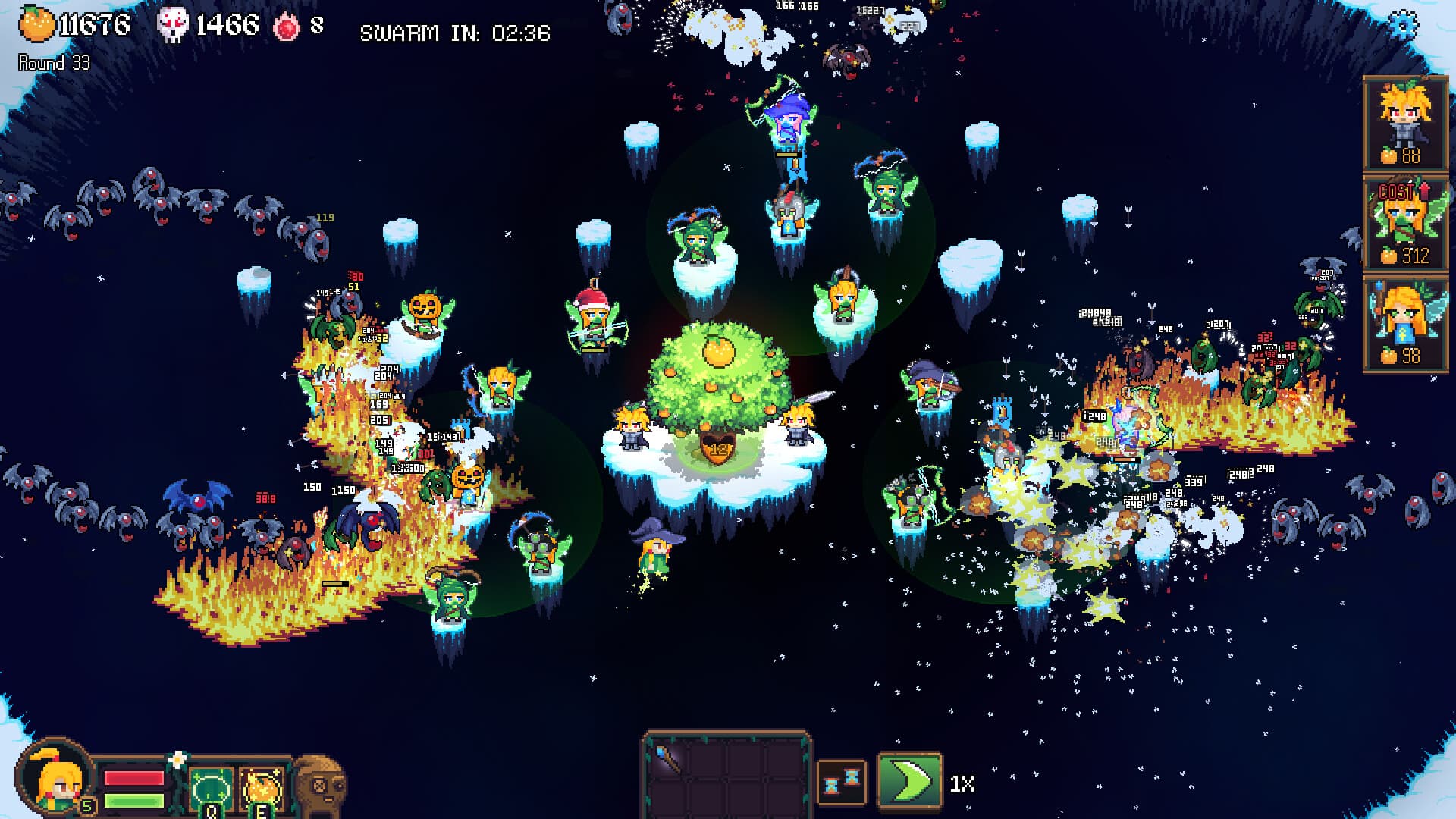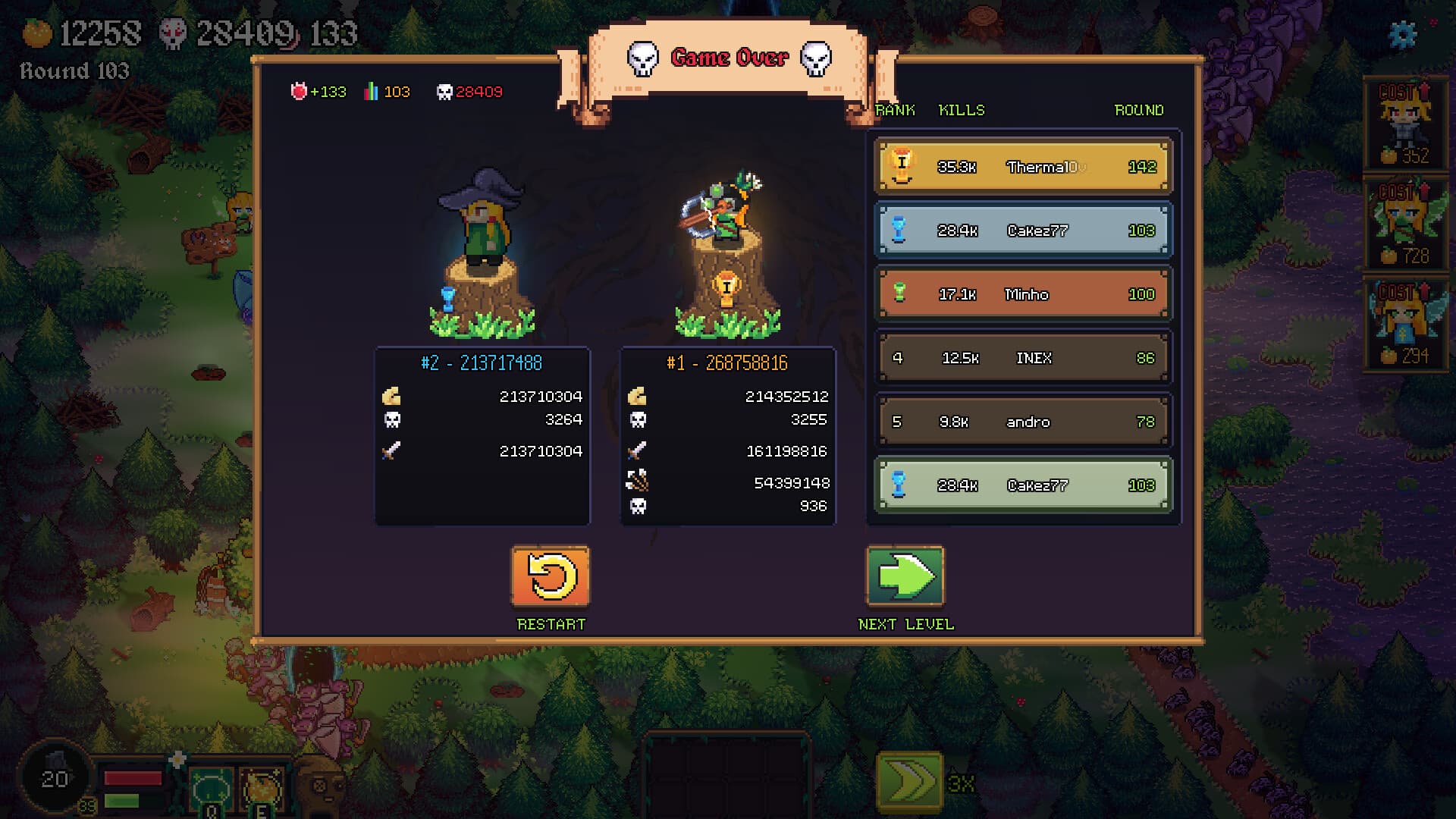
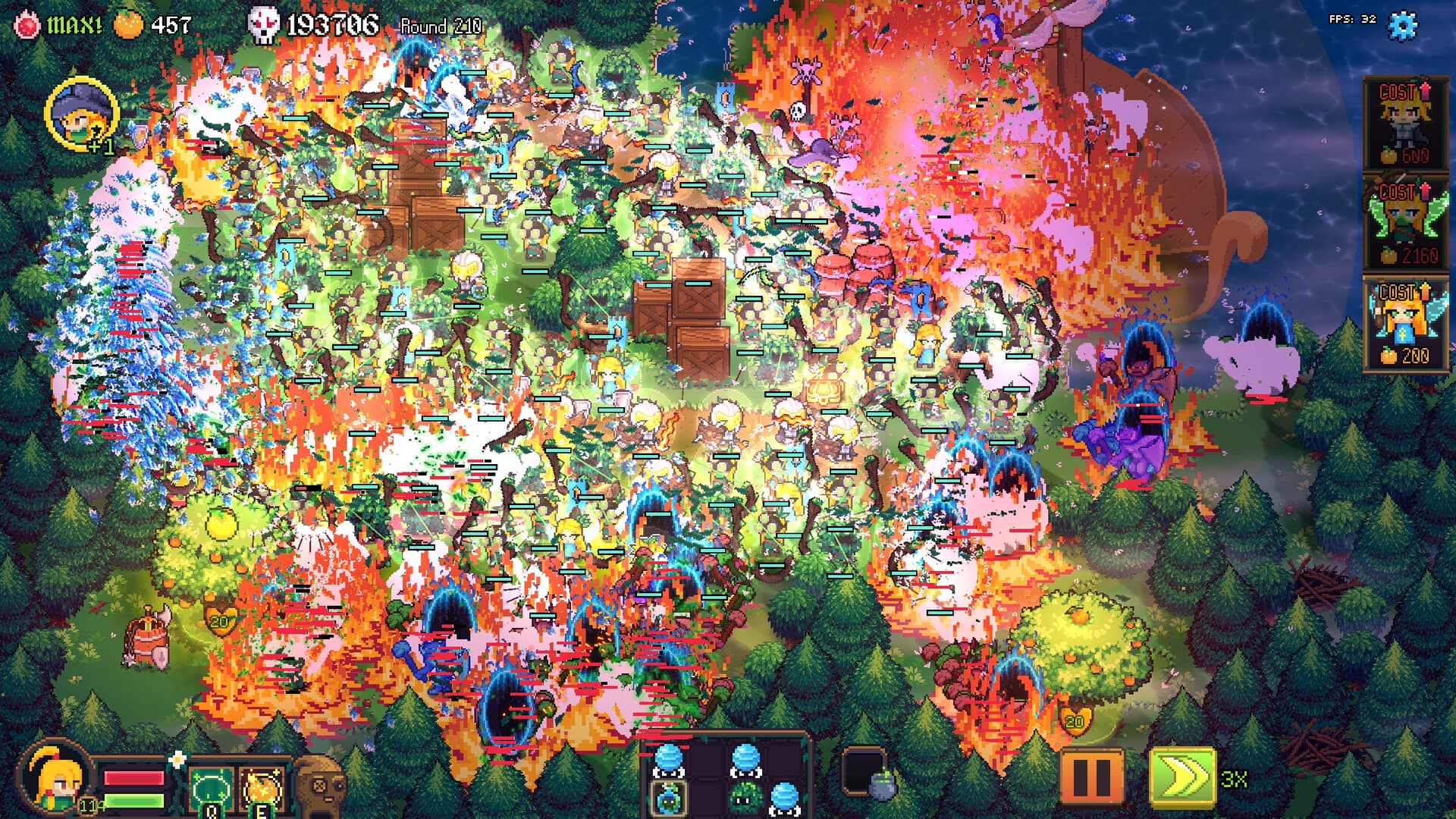
 Official Tangy TD Screenshot
Double Core Build Guide: Safe Early, Strong Late
Build guide for a balanced setup with stable clear speed and scaling potential.
This Tangy TD guide focuses on practical execution and keeps the core keyword intent clear for each build topic.
Updated 2026-03-20
Tangy TD Guide Notes
What Double Core Actually Solves
The Double Core concept is built around role clarity. Core one absorbs and stabilizes lane pressure. Core two provides consistent ranged conversion from control into kills. The goal is not maximum burst, but sustained reliability that survives bad wave patterns and still scales into later encounters.
Frontline Core Responsibility
Start by defining your frontline responsibility clearly. If your frontline core cannot maintain shape through pressure spikes, your second core never gets enough uptime to matter. Early resources should first secure lane integrity, then amplify ranged throughput once you are no longer leaking routine waves.
Ranged Core Uptime and Positioning
Your ranged core should be optimized for uptime before peak output. Long-range consistency often delivers better real damage than high theoretical burst that is hard to apply. Positioning and support effects matter as much as raw stat lines because this build wins through repeated clean cycles, not one explosive moment.
Item Timing and Midgame Spikes
Item flow is where this build separates from generic balanced setups. You should plan for midgame synergy spikes that bridge into boss-ready tempo. Randomly distributing items weakens both cores. Concentrate item value where it produces immediate control or damage conversion, then expand only when the first spike is secured.
Flex Slots and Map Adaptation
Flex slots are mandatory, not optional. Reserve one or two positions for map-specific adjustments, anti-elite tools, or sustain patches. Without flex capacity, your build becomes rigid and fails on maps with unusual pathing or backloaded pressure. Adaptability is part of this build’s strength profile.
Boss Phase Execution Plan
During difficult waves, prioritize cycle stability over aggressive growth. If wave handling starts drifting, reduce complexity and reset your execution rhythm. A temporarily conservative purchase is often better than forcing a risky power spike while control is fragile.
Failure Recovery Without Rebuild
For boss phases, treat this build like a staged engine. Stabilize board state first, establish a clean damage window second, then commit burst tools. If you skip stage one and force damage immediately, you usually lose effective uptime as lanes deteriorate.
When to Shift From Safe to Aggressive
Double Core is ideal for players who want progression with low volatility. It scales well, recovers well, and gives clear decision rules under pressure. If your runs feel random, this setup is one of the best frameworks for building repeatable performance.
Tangy TD Guide Examples